Hacienda Coffee Tour of "Coffee with Woman Aroma" with lunch
LunchFarm entryMax 25
From $180 per person
Facts you can only really collect standing on these particular farms, on these particular slopes, in this particular department. None of them is about coffee in general; all of them change what you do with a day out of the city.
Bogota sits at roughly 2,640 metres. Arabica in Colombia grows between about 1,200 and 2,000. The city is above its own signature crop by six hundred metres, which is why there is not a coffee tree in it and why every farm visit is a descent. One operator writes the descent into its own itinerary: leaving 2,600 metres to find a warmer climate.
Say "Colombian coffee tour" and most people mean the Coffee Triangle — Quindio, Risaralda and Caldas, the departments inside the UNESCO Coffee Cultural Landscape. That is several hundred kilometres west of Bogota and reachable only by flying. Nothing you can book as a day trip from the capital goes there. Cundinamarca grows the same crop with the same processes, ninety minutes to three hours from your hotel.
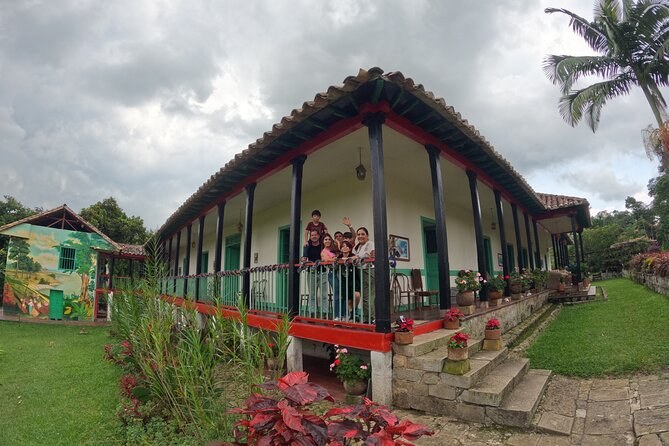
Hacienda Las Mesitas de Santa Ines at Cachipay covers 250,000 square metres, has been receiving visitors for over a century, and is where Café, con aroma de mujer was filmed. One departure spends five hours there, which is the second-longest estate visit available from the city.
Plant a seedling and you wait about three years for a useful crop. It is the fact travellers most often name as the one that stayed with them, because it reframes the price of a bag. On one farm you can plant one yourself and it stays in the ground after you fly home.
Colombia harvests somewhere almost all year, and one departure has organised its farms so that cherry picking is available year round — it lists it among its inclusions rather than promising it in the marketing. Everywhere else, whether you pick depends on the calendar. The month you come in decides it.
The mitaca, sometimes called the traviesa, is the smaller mid-year crop that follows the main one. It is the reason a Colombian farm has something happening most of the year, and it is a word almost no English-language guide uses. Ask which one you have walked into.
Most people assume roasting makes the coffee. A great deal of it is settled hours after picking, in fermentation, while the beans sit slick with mucilage and microbes strip it off. Hours matter. It is the least photogenic part of any farm and the one the good guides spend longest on. The full sequence is here.
The word on the bag is not decoration. Washed processing — pulp, ferment, wash, dry — is the Colombian default and is why the country's coffee reads clean and bright. Natural and honey lots exist here but are the exception, made deliberately by estates working at the specialty end.
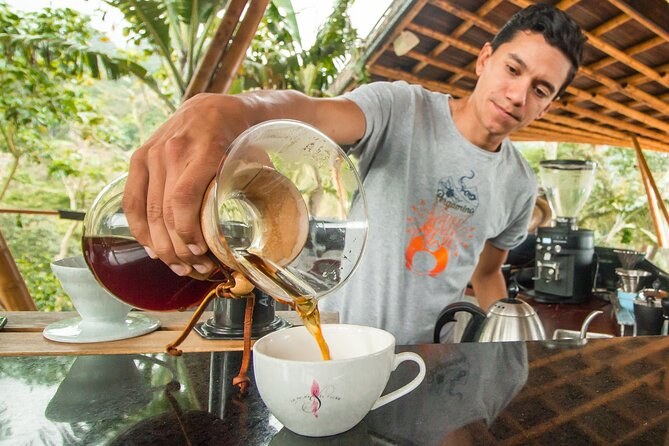
La Palma y El Tucan at Zipacon is a specialty producer with a coffee laboratory, and the departures that go there give you seven and eight hours on site rather than two. One of them includes a barista class. It is the only place within a day of the capital where the visit is about the science rather than the scenery.
| What people expect | What is actually there | Why |
|---|---|---|
| Endless rows to the horizon | A few hectares on a steep slope | Colombian coffee is overwhelmingly a smallholder crop |
| Machinery everywhere | Hand picking, several passes a season | Cherries ripen unevenly, so a machine takes the green ones too |
| A visitor centre | A farmhouse, a mill, some chickens | These are working businesses that also take guests |
One traveller says outright that the description had them expecting somewhere far bigger. Set your expectations at a working farm and the day is better for it.
The Federacion Nacional de Cafeteros is a grower-owned organisation that has shaped Colombian coffee for generations, from the quality standards to the marketing that made the country's name abroad. Its influence is why a smallholder in Cundinamarca can sell into a global market at all, and guides on these farms reference it constantly.
Coffee is cupped and scored on a hundred-point scale, and eighty is the line above which a lot may be called specialty. It is an assessment made at a table by trained tasters, not a claim a marketing department gets to make. Two estates within a day of Bogota work at that end deliberately, with their own laboratory and named lots.
It is also why the city workshops hand you a sheet: the vocabulary on it is the same vocabulary the scoring uses, and once you have it you can read a bag rather than guess at one.
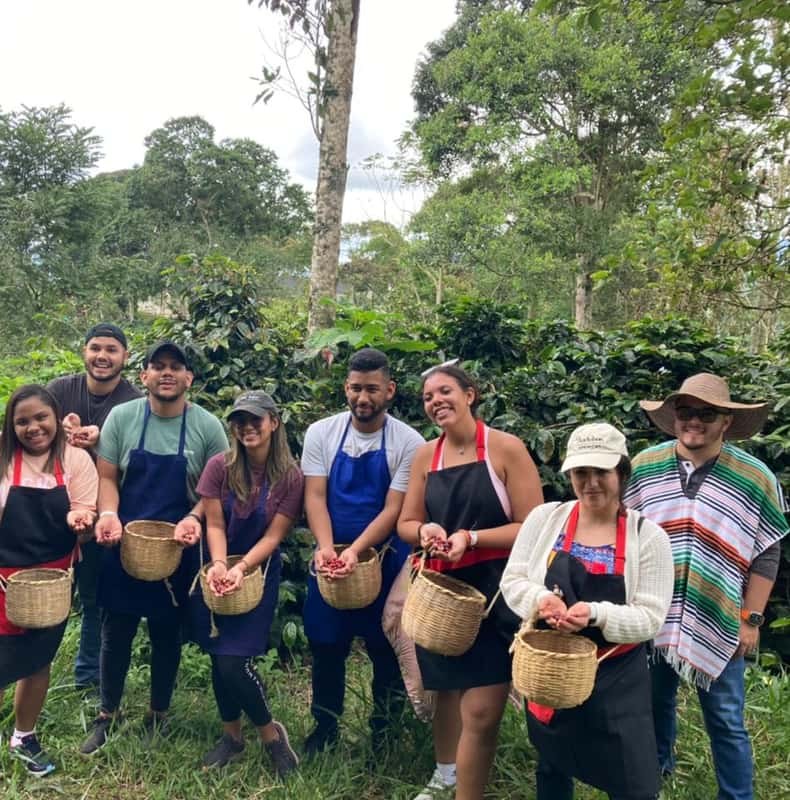
The hands-on smallholding is worked by campesina women who lead the visit themselves, and the hacienda at Cachipay is named after a story about exactly that. It is a specific part of what a coffee day here is, and travellers write about it more warmly than about the coffee.
Rain during a farm visit changes what you wear and nothing else — nearly every departure runs in all conditions and one farm keeps waterproof ponchos for guests. Rain during drying is a different matter, because beans come off the beds at around eleven per cent moisture and getting there in a wet November is genuinely difficult.
It is why the better estates cover their beds, and why the question "are your beds covered?" gets a longer answer than you expect. Ask it and watch the guide warm up.
Not the walking, not the altitude, not the early start. Bogota's evening traffic is the one thing travellers reliably complain about, and one return leg ran to nearly four hours. Every operator plans for it and the good guides use the time. Book an early departure and keep the evening free.
Twelve facts, and every one of them is standing somewhere you can reach before lunch. A best coffee tour in Bogota is the shortest route to all of it, and the practical side is here.
Facts are better on a slope than on a screen. The departures that reach these estates are all on Bogota Coffee Tours.
From $180 per person