Bogota Coffee Harvest Season, Month by Month
Colombia harvests somewhere almost every month, so there is no closed season and no bad month to visit a farm. What the calendar changes is what you do when you get there — pick a basket, plant a seedling, or watch beans dry — and how wet you get doing it.
What the season does to a coffee day here
Almost nothing, on the practical side, and that is the useful answer. Nearly every departure states or implies that it runs whatever the weather does: one says it operates in all conditions, one tells you the day goes ahead rain or shine and keeps waterproof ponchos at the farm, and a city workshop simply advises a light jacket and an umbrella because that is Bogota. Only two departures, both to one estate, allow the operator to cancel for weather, and both refund in full.
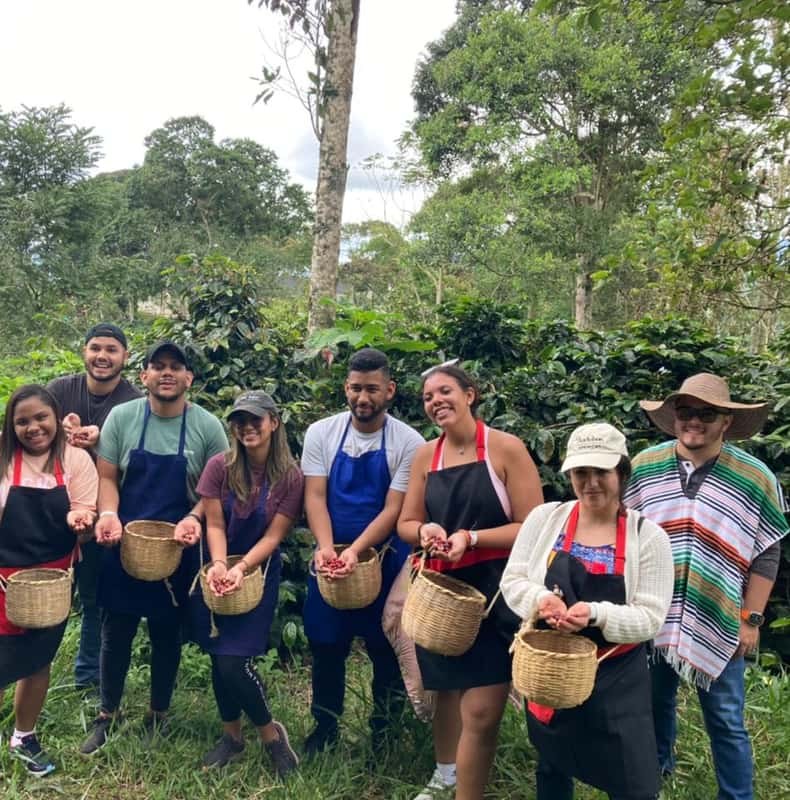
What the season really decides is your job for the afternoon. In the harvest you pick. Outside it you plant, sort, or watch the drying beds being raked. One farm has arranged things so that cherry picking is available in every month of the year, and it says so in its own inclusions.
Bogota coffee month by month
January
Dry, bright and one of the easiest months to travel. The main harvest is finished and the drying beds are full, so the day leans towards processing rather than picking. Roads out of the city are quick and the light is good for the drive. Book ahead: this is high season for domestic travel too.
February
Still dry, still clear, still the best month for the views on the way down. Farms are pruning and fertilising, which is less photogenic than a harvest and much easier to walk through. Expect a full explanation of the process with less of it happening in front of you. Temperatures on the farm sit comfortably in the mid-twenties.
March
The first wet spell begins, usually in the second half of the month. Flowering follows the rain, and a farm in blossom smells of jasmine and looks like nothing else in the year. Paths get slippery, so bring shoes with grip. Departures run regardless; four listings say so in writing.
April
Wet, green and the start of the mitaca on many farms, so there is often something to pick. Afternoons cloud over and the drive back can be slow. Waterproofs earn their place in the bag. The estates with covered drying beds are the ones to choose if the forecast looks poor.
May
The wettest stretch of the year in these hills, and the peak of the mid-year crop in much of Cundinamarca. Picking is at its most likely and the slopes are at their greenest. Accept that you will get damp and the month is a good one. One estate west of the city may move departures for weather.
June
The rain eases through the month and the mid-year harvest finishes. Visitor numbers rise with the northern summer, so book a week ahead rather than three days. The fruit market stops that some day trips make are at their best. Mornings in Bogota stay cold whatever the farms are doing.
July
Drier, windier and busy. Cloud sits on the Sabana in the morning and burns off as you descend, which makes the drive out one of the better hours of the trip. Farms are between crops, so the emphasis is milling, roasting and tasting. The city workshops fill fastest this month.
August
The second dry spell holds and the wind keeps up. Beans from the mitaca are drying and being milled, so the wet mill is quiet and the patios are busy. It is the best month for photographs on the slopes. Traffic leaving Bogota is at its worst on Friday mornings.
September
Rain returns towards the end of the month and the main harvest starts to set. The hills go green again after the dry spell. Numbers drop off after the northern summer, which makes small-group departures easier to get. Expect an afternoon shower most days.
October
Wet, and the main harvest is under way on the lower farms. This is the month with the most picking to do and the most mud to do it in. Cherry-picking activities are at their most reliable. Take a change of socks and do not wear anything you love.
November
The heart of the main crop and the wettest month on the plateau. Every stage of the process is running at once, which makes it the most complete day a visitor can have. Drying is slower, so covered beds matter. Departures still run rain or shine.
December
The rain stops, the harvest tails off and the country goes on holiday. Farms are full of drying coffee and the weather turns clear and warm. Book early: this is the busiest fortnight of the year on the roads and in the fincas. It is also the prettiest.
The season at a glance
| Window | What the farms are doing | What you are likely to do | Weather |
|---|---|---|---|
| January to February | Drying, milling, pruning | Watch the process, taste widely | Dry, clear, cool mornings |
| March to May | Flowering, then the mitaca | Pick, and get wet doing it | The first wet spell |
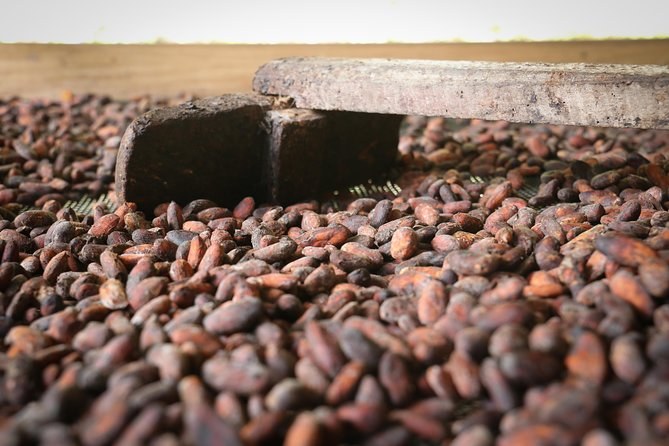
| June to August | Milling and roasting the mid-year crop | Patios, roasters and cuppings | Drier and windy |
| September to December | The main harvest | Pick, pulp, ferment, rake | The second wet spell, clearing in December |
The two harvests, and the one nobody names
Most Colombian regions run a main crop and a smaller mid-year one called the mitaca, sometimes the traviesa. In the zone Cundinamarca belongs to, the main harvest falls in the closing months of the year and the mitaca lands around the middle of it. That is why a country this size can ship fresh coffee all year without importing any.
For a visitor the practical consequence is simple. Two windows — roughly April to June, and roughly October to December — give you the best chance of a basket in your hand. The rest of the year gives you a quieter farm, more attention from the guide and a better look at the parts of the process that happen indoors.
Rain, and why it does not cancel your day
Bogota's weather is bimodal: two wetter spells, roughly March to May and October to November, with drier weather either side. The farms sit a thousand metres lower and are warmer and wetter than the city in every month. Rain there is an afternoon event rather than a day-long one.
Dress for it and it stops being a factor. Closed shoes with grip, a light rain shell, and something you do not mind getting muddy will carry you through the wettest week of the year. A best coffee tour in Bogota in November is a better day than a dry one in February, because everything is happening at once.
Useful tip. If your dates are fixed and the forecast turns, choose an estate with covered drying beds and an indoor tasting room rather than cancelling. Which finca has what.
Public holidays, and the December rush
Colombia takes a lot of Mondays off, and the fincas fill on every one of them with domestic visitors rather than foreign ones. Between the middle of December and the middle of January the roads out of Bogota are at their busiest of the year. Book a week ahead in those windows rather than three days, and take the earliest departure you are offered.
Holy Week is the other one to watch. It moves between March and April, it is a national travel week, and the farms that also run as hotels are full of families.
Best time of day to be on a farm
Morning, and the operators have already decided this for you. Farm departures leave between 6:30 and 9:00 because the light is better, the traffic out of the city is lighter, and the afternoon cloud has not built yet. The estates want you there before eleven for the same reasons.
City tastings are the opposite: the workshops start at 10:00, and one reviewer's advice after doing it is to take a later slot, because four to six coffees in two hours is more caffeine than most people plan for.
Frequently asked questions
Is there a month when the farms are closed?
No. These farms take visitors year round, and the drier months are as busy as the harvest. What changes is the activity, not the access.
Which month gives the best chance of picking cherries?
April to June, and October to December, on most of these farms. One departure includes cherry picking in every month of the year and states it in its inclusions. Ask when you book if picking is the thing you want.
Will rain ruin the day?
Almost never. Nearly every departure runs in all weather, and the farms have covered space. Only two, both to one estate, may be moved for weather, and those refund in full.
Is the mitaca worth planning around?
Only if picking matters to you. The mid-year crop puts fruit on the trees around April to June in this zone, which is otherwise the wettest stretch of the year. Trade one for the other.
Whatever month you land in, the departures are the same ones. Compare them on Bogota Coffee Tours, or read what the day looks like before you choose a date.