Bogota Coffee Farms Without a Tour
Short answer. You can reach a coffee farm from Bogota independently, and on one route it is genuinely worth doing. But most of these estates are working businesses on rural roads with no public transport, several take visitors only by arrangement, and a hire car for a day costs more than a shared seat on a tour.
Honest answer first: if you speak Spanish, have a full day and enjoy the logistics, going alone to a farm near Fusagasuga is a real option. If any of those three is missing, a booked departure is cheaper, faster and more likely to end with you standing in a coffee field.
Can you just turn up at a coffee farm?
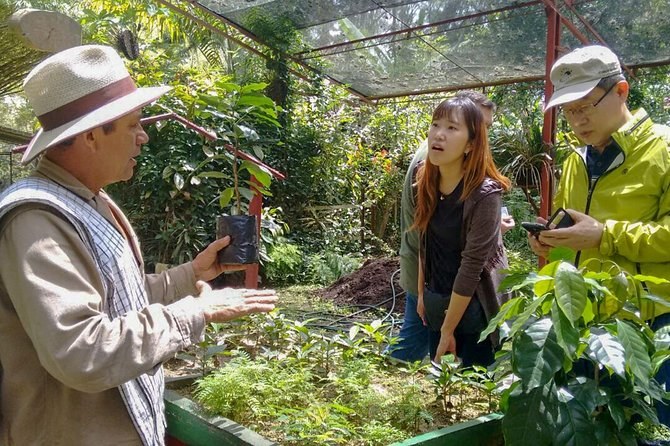
At some, yes. Hacienda Coloma near Fusagasuga is a catalogued attraction with its own listing and a garden, and it functions as somewhere visitors go. At others, no: a five- thousand-plant smallholding run by campesina women is a family's livelihood, not a visitor centre, and the visits are arranged by the operators who bring groups.
The specialty estate at Zipacon sits between the two. It runs a coffee laboratory and a hotel and is not a place you wander into. Which estate is which is the first thing to settle.
What are the three ways of doing it?
| Option | What it costs | Time it takes | What can go wrong |
|---|---|---|---|
| Booked tour | $81 to $130 per person | 8 to 9 hours, door to door | Traffic on the way back |
| Bus and taxi | Roughly $15 to $25 in fares | 10 to 12 hours, and a lot of waiting | Rural connections, Spanish only, no guide at the farm |
| Hire car | $60 to $120 a day plus fuel and tolls | 8 to 10 hours | Bogota traffic, mountain roads, parking, and you cannot drink |
| Private driver | $120 to $250 for the day | 8 to 9 hours | You still have to arrange the farm visit yourself |
How do you get there by bus?
Fusagasuga is the realistic target, because it is a proper town with a bus terminal and regular services from the Terminal del Sur in Bogota. Journey time is around two hours in good traffic. From the terminal you take a taxi to the finca, which is where the plan usually meets its limits: the drivers know the haciendas, but the last leg is unmetered and negotiated in Spanish.
Getting back is the part people underestimate. The last comfortable bus into Bogota leaves in the late afternoon and the terminal is a long way from most hotels. Budget a twelve-hour day and keep the evening free.
Is a hire car worth it?
Only if you are visiting more than one farm or continuing somewhere afterwards. A day's hire plus fuel and tolls lands close to what two seats on a shared tour cost, without the guide, the farm arrangement or the lunch — and you spend the whole descent driving rather than looking at it.
There is also the obvious problem. A coffee day ends in a tasting, and on one of the farms in a coffee liqueur. Somebody has to drive back up the mountain.
What does a tour actually buy you?
- The arrangement. A farm expecting you, with someone whose job that morning is to show you round.
- Translation. Most of the growers work in Spanish. Bilingual guiding is included on every departure here and it is the difference between a walk and an explanation.
- The road. Four to five hours of driving you do not do, on roads you do not know, in traffic that is genuinely difficult.
- Food. Lunch is inside the fare on most full days, and breakfast on one.
- The entry fee. Included on all but one departure, which says so.
Priced against a bus fare it looks expensive. Priced against a hire car with none of the above, it does not.
Worth knowing. One departure excludes the estate's own entry ticket and is cheaper as a result. If you are comparing a tour against going alone, that is the one where the numbers get closest. The price guide takes each band apart.
Can you do the coffee thing without leaving Bogota at all?
Yes, and it costs nothing to try. Chapinero is full of specialty roasteries that serve walk-ins — the rooms these workshops use are ordinary cafes with excellent coffee, on Calle 70a and around Carrera 5. You can spend a morning there for the price of the coffee.
What you cannot get that way is the structure: the growing regions explained side by side, a cupping taught properly, and a sheet to score on. That is what the $49 workshop sells, and it is a fair price for two hours of it. What a tasting covers sets it out.
What does a day cost you if you do go alone?
Roughly $15 to $25 in bus and taxi fares, and roughly twelve hours. Against a shared tour at $81 to $130 that looks like a saving until you price what you have given up: a farm expecting you, bilingual guiding, lunch on most departures, the entry fee, and four to five hours of driving somebody else does.
The hire car version does not add up at all. A day's rental plus fuel and tolls lands close to two tour seats, and you spend the descent watching the road rather than the country. For three or four people a private driver is the better independent option, and even then the farm arrangement is still yours to make.
Which farms will actually let you in?
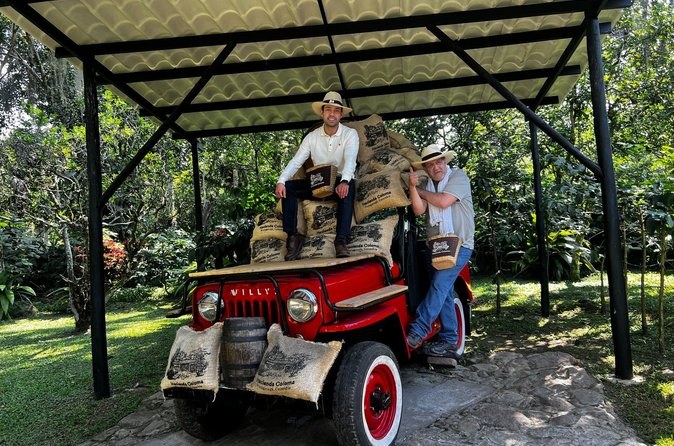
Ask before you travel, and ask in Spanish. Hacienda Coloma near Fusagasuga is the one that functions as a visitor destination, with a garden, buildings and a catalogued listing of its own. The specialty estate at Zipacon runs a laboratory and a hotel and expects a booking. The smallholdings are family homes, and the visits are arranged by the operators who bring groups to them.
Turning up unannounced at a working finca is not rude so much as futile. The person who would show you round is picking, and nobody has set aside the two hours.
What about the Coffee Triangle?
Different question, different trip. Quindio, Risaralda and Caldas are a domestic flight from Bogota and no day trip reaches them. If you have three days and want the region with the reputation, fly to Armenia or Pereira and stay on a finca rather than trying to do it from the capital.
Is there a version that meets in the middle?
Yes, and it is the one most people should consider before writing off the tours. Several departures meet at a named place rather than collecting you — a hostel in La Candelaria, a hotel on Avenida El Dorado, a cafe in Chapinero — and they are the cheaper end of the range for exactly that reason.
You get the guiding, the farm arrangement, the entry fee and usually lunch, and you give up the door-to-door transfer. If you are staying centrally, that trade is close to free. The full logistics are on the visiting page.
So who should go independently?
Go alone if
You speak Spanish, you are comfortable negotiating a taxi in a country town, you have a whole day with no fixed end, and the logistics are part of the fun. Fusagasuga is the route.
Book a departure if
You want a farm expecting you, translation, lunch and someone else driving. That is most people most of the time, and it is why a coffee plantation tour exists at the price it does.
What do you miss without a guide?
The explanation, mostly, and it is more than it sounds. A finca will show you the trees and the mill whether or not anyone translates, but the reason fermentation runs six hours rather than twelve, the reason one row is Castillo and the next is Caturra, and the reason the drying beds are covered are all answers rather than sights.
You also miss the road. Guides on these departures fill two hours of driving with the country the coffee grows in, and travellers name that as one of the better parts of the day rather than as an interval to be endured. Alone, it is two hours of a bus.
What would we actually do?
Book the shared day, and spend the money saved on a second coffee thing rather than on a car. A farm day plus a two-hour city workshop is about $145 and covers the whole subject; a hire car and a self-guided farm visit is a similar amount and covers half of it, badly. Bogota Coffee Tours lists everything, and the practical page has the logistics.
Frequently asked questions
Can I visit a coffee farm near Bogota on my own?
Some estates take independent visitors and some do not. Hacienda Coloma near Fusagasuga is the realistic one; the smallholdings and the specialty estate are arranged through operators.
How do I get to Fusagasuga from Bogota?
Buses run from the Terminal del Sur and take about two hours in reasonable traffic. From the town you need a taxi to the finca, negotiated in Spanish and unmetered.
Is hiring a car worth it?
Only if you are visiting more than one farm or driving on afterwards. A day's hire plus fuel and tolls costs about what two shared tour seats cost, without the guide, the farm arrangement or lunch.
Will anyone at the farm speak English?
Not reliably. Bilingual guiding is included on every booked departure here, and on the smallholdings the growers themselves work in Spanish.
Is it safe to drive out of Bogota?
The roads to these towns are paved and used daily by tour vehicles. The difficulty is Bogota's own traffic and mountain descents, not the destinations.
Can I taste specialty coffee in Bogota without a tour?
Yes. The Chapinero roasteries these workshops use are ordinary cafes and serve walk-ins. What you miss is the structure — the regions compared and a cupping taught properly, which is what the workshop sells.
Departures that solve the logistics