The Best Time for a Bogota Coffee Tour
Short answer. There is no bad month. Nearly every departure runs whatever the weather does, and the farms take visitors year round. What the calendar decides is whether you pick a basket or plant a seedling, and how muddy your shoes get doing it.
Colombia harvests somewhere almost every month, which is why the country ships fresh crop all year and why a coffee farm near Bogota always has something happening. This guide is about matching a month to what you want out of the day.
Is there a bad month to go?
No, and that is unusual enough to say plainly. The farms are open year round, and nearly every departure states or implies that it runs in all weather — one says so directly, one keeps waterproof ponchos at the farm for guests, and a city workshop simply advises a light jacket and an umbrella, which is Bogota advice generally.
Only two departures, both to one estate west of the city, allow the operator to cancel for bad weather, and both refund in full when they do. Everything else goes.
What does the season actually change?
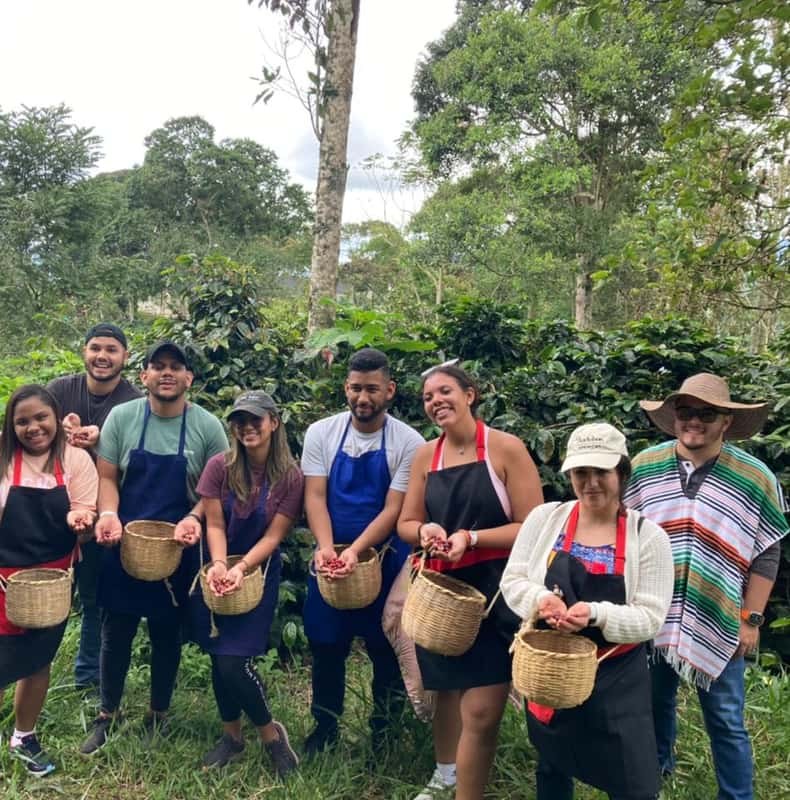
Your job for the afternoon. In a harvest window there is fruit on the trees and you pick. Outside one you plant seedlings, sort dried beans or watch the beds being raked, and the guide spends longer on the parts of the process that happen indoors. Both are good days; they are different days.
One departure has arranged its farms so that cherry picking is available in every month of the year, and it lists that among its inclusions rather than promising it in the marketing. If picking is the thing you want and your dates are fixed, that is the one.
When is the harvest?
Most Colombian regions run a main crop and a smaller mid-year one called the mitaca, and in the zone Cundinamarca sits in the main harvest falls in the closing months of the year with the mitaca around the middle of it. Two windows, roughly April to June and roughly October to December.
Those are also the two wetter stretches, which is the trade the calendar makes you. Harvest and rain arrive together, because the rain is what sets the fruit.
Month by month, in one table
| Window | Weather | On the farm | Crowds |
|---|---|---|---|
| January to February | Dry, clear, cool mornings in the city | Drying, milling, pruning | Busy with Colombian holidays until mid-January |
| March to May | The first wet spell; blossom in March | Flowering, then the mitaca harvest | Quiet, apart from Holy Week |
| June to August | Drier and windy | Milling and roasting the mid-year crop | The northern summer; book a week ahead |
| September to November | The second wet spell | The main harvest, every stage at once | Quietest months of the year |
| December | Clearing and warm | Harvest tailing off, beds full | Busiest fortnight on the roads |
Which month is best for picking?
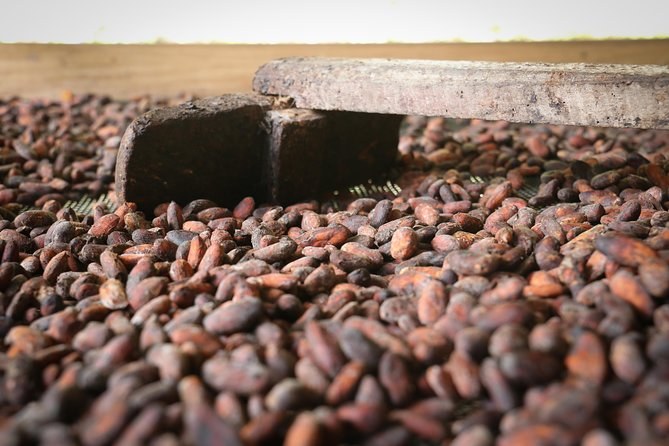
April to June, and October to December, on most of these farms. Of the two, the second window is the fuller one — the main crop means the depulper, the fermentation tanks and the drying beds are all running at once, and you see the whole sequence working rather than being explained.
It is also the wettest. Take shoes you do not mind ruining and a rain shell, and the month rewards you. The month-by-month page goes into each one.
Which month is best for the drive?
January, February, July and August. Those are the drier windows on the Sabana, the cloud lifts off the ridges as you descend, and the views on the way down are the best you will get. Photographs of green hills under moving cloud are a January thing.
If the drive matters to you — and on a nine-hour day it should — the dry months are worth choosing for that alone.
Does the rain actually stop anything?
Almost never on the visitor side. It changes what you wear and how slippery the slopes are, and both are solved by decent shoes. What rain genuinely affects is the drying beds: coffee comes off at around eleven per cent moisture, and reaching that in a wet November is hard work. It is why the better estates cover their beds, and it is a good question to ask while you are standing there.
Worth knowing. Bogota's climate is bimodal — two wetter spells, roughly March to May and October to November, drier either side. The farms sit a thousand metres lower and are warmer and wetter than the city in every month, so pack for two climates.
What about the crowds?
September to November is the quietest stretch and the fullest on the farm, which is an unusually good combination. December to mid-January is the busiest, because Colombia travels domestically then and the fincas fill with local visitors rather than foreign ones. Holy Week moves between March and April and is a national travel week.
Outside those windows, three to five days' notice is enough. Inside them, give it a week and take the earliest departure offered.
Is there a best time of day?
Morning, and the operators have already decided it for you. Farm departures leave between 6:30 and 9:00 because the light is better, the traffic out of the city is lighter and the afternoon cloud has not built. City workshops start at 10:00, and one traveller's advice after doing it is to take a later slot, because four to six coffees in two hours is more caffeine than most people plan for.
What does the blossom look like, and when?
White, brief, and it smells of jasmine. Coffee flowers after rain, so the first wet spell in March and April is when the slopes go pale, and the flowering sets the timetable for everything that follows — the fruit that comes from it is what you pick six to eight months later.
It is the least photographed part of a coffee year because it lasts days rather than weeks, and nobody sells a tour on it. If you land in it, you have seen something most visitors miss.
Do the city tastings change with the season?
Barely, and that is part of their appeal. Three rooms in Chapinero, indoors, on flat pavement, running to a fixed timetable on Tuesday, Thursday and Saturday mornings. Rain is an umbrella rather than a problem.
What does shift is the coffee in front of you. Roasteries work through fresh lots as the harvests land, so a cupping in December tastes different from one in July even in the same room. Ask what is new on the bar. What a tasting covers.
Is altitude worse in any particular month?
No. Bogota sits at 2,640 metres all year and the adjustment is the same in January as in July. What changes is the cold: the wetter months are greyer and the mornings sharper, which makes an early pickup feel harder even though the farm at the other end is warm.
Give yourself the first night in the city before a farm day whatever the month. The descent is easy on you; the 6:30 alarm on your first morning in Colombia is not.
Does the month change what a tour costs?
Not on these listings. The fares here are a snapshot rather than a season, and what moves with the calendar is availability rather than price. The popular pickup departures go first in high season, and two farm days that need a minimum of two travellers are easier to fill in a busy month than a quiet one — which is a small argument for booking a solo place in July rather than October.
What should you pack, month by month?
The same list all year, weighted differently. Closed shoes with grip and a light rain shell are non-negotiable in the wet windows and merely sensible in the dry ones. Layers always, because you leave a city at ten degrees and arrive somewhere in the mid-twenties.
Between October and December add a second pair of socks and accept the mud. Between January and February add sunscreen, because the light on the descent is thin and strong. In every month, carry cash in pesos: every farm sells its own coffee and cards are unreliable out there. The full packing list is here.
So when should you come?
For the fullest farm
October and November. The main harvest, every stage running, the quietest months for visitors, and the wettest ground you will walk on. Bring the shoes.
For the best day out
January, February or July. Clear drives, comfortable temperatures on the farm, and the process explained rather than rushed past. Book ahead in January.
Either way a best coffee tour in Bogota is a good use of a day, and the departures do not change with the season. Compare them on Bogota Coffee Tours and read what the day involves before you pick a date.
Frequently asked questions
What is the best month for a Bogota coffee tour?
October and November for the fullest farm, January and February for the best drive and the most comfortable weather. There is no month when the farms are closed.
Will I be able to pick coffee cherries?
In the harvest windows, roughly April to June and October to December, on most farms. One departure includes cherry picking year round and states it in its own inclusions.
Does it rain a lot?
In two spells, roughly March to May and October to November. The farms are warmer and wetter than the city in every month, and nearly every departure runs rain or shine.
What is the mitaca?
The smaller mid-year harvest that follows the main crop. It is why a Colombian farm has something happening most of the year, and it is worth asking your guide which crop you have walked into.
When is it busiest?
Mid-December to mid-January, the northern summer from June to August, and Holy Week. September to November is the quietest stretch and also the fullest on the farm.
Should I book further ahead in high season?
Yes, a week rather than three days, and take the earliest departure offered. Pickup departures fill before the meeting-point ones.
Departures that pick in most months